
Colorado Wedding Weather Planning: How to Build a Rain Plan (and Stay Calm Doing It)
Photography: Lauren Pippin
Photography: Lauren Pippin
If you are planning an outdoor wedding in Colorado, you will eventually hear the question:
“What’s your weather plan?”
And yes, it can feel like a dreaded conversation, especially when you are dreaming of blue skies and golden-hour vows. But Colorado couples know the truth. Weather here can be dramatic, fast-changing, and sometimes weirdly specific to the hour and location.
The good news is this: a strong Colorado wedding weather plan is not complicated. It is just thoughtful. When you plan for rain, wind, heat, hail, or a surprise cold snap, you buy yourself something priceless on wedding day.
Peace.
This post is designed to help any Colorado couple, whether you are getting married in Denver, Boulder, Colorado Springs, Fort Collins, Estes Park, Breckenridge, Vail, or anywhere in between.
The 60-second Colorado wedding weather plan
If you only read one section, read this:
Choose a venue with a real indoor option or a tent plan that is truly workable.
Create Plan A, Plan B, and your “oh no” Plan C.
Set a clear weather decision time (example: 10:00 AM on wedding day).
Tell every vendor the plan and make sure they agree on timing and logistics.
Keep guests comfortable with simple, thoughtful touches.
That is the foundation. Everything else is details.
The Big 5 Guide to Inclement Weather Weddings in Colorado
1) Problems: The most common Colorado wedding weather issues (and how to prevent them)
Afternoon storms (especially in the mountains)
Colorado mountain weddings often see storms pop up later in the day.
Prevention tips
Consider a morning or early afternoon ceremony if your location is storm-prone.
If you want a later ceremony, plan an indoor backup that does not feel like a downgrade.
Set a decision time and stick to it. Last-minute flips cause chaos.
Wind (the sneaky troublemaker)
Wind is often more disruptive than rain. It impacts décor, ceremony audio, hair, candles, signage, even chairs.
Prevention tips
Use low, heavy floral pieces and secure signage.
Choose glass hurricanes instead of open flames.
Microphones matter. Ask your DJ about wind protection and mic type.
Have a plan for veils and loose hairstyles, especially on ridge lines and open spaces.
Cold snaps and temperature swings
Colorado weddings can go from warm sun to chilly shade fast.
Prevention tips
Plan for layers, especially for evening receptions.
Heaters can help, but only if you plan for power and safe placement.
Keep the ceremony shorter if it is cold, then move guests to warmth quickly.
Heat and strong sun at elevation
Even if it is not “hot,” high elevation sun can feel intense.
Prevention tips
Provide water before the ceremony.
Offer a sunscreen station, shaded seating, or parasols if your ceremony is in full sun.
Make sure anyone standing for long periods has a plan, especially wedding party and officiant.
Hail and lightning
It happens. You do not need to fear it, you just need a plan.
Prevention tips
Ask your venue what their lightning protocol is.
Avoid relying on “we will wait it out” unless you have a comfortable indoor holding space.
Protect décor and rentals with quick-cover options (bins, plastic, or moving items inside quickly).
2) Cost and Price: What does a weather backup plan cost for a Colorado wedding?
This is where couples often get surprised, so let’s be clear and helpful.
A weather plan can involve rentals, labor, and timing, not just “an extra tent.”
Common cost drivers include:
Tent rental (style, size, sidewalls)
Delivery and labor (install and breakdown can be significant)
Flooring (especially important for rain, mud, and heels)
Power (generators or additional electrical needs)
Heating or cooling (plus fuel and safety requirements)
Lighting (especially if the tent needs to feel warm and intentional)
Rain-friendly ceremony audio (backup microphones, covered speaker placement)
A useful budgeting mindset:
If you are committed to an outdoor ceremony or reception, set aside a weather comfort and contingency budget early. Even a modest plan usually includes at least a few rentals.
What to do next:
Ask your venue or planner: “What is the most common weather backup here, and what usually adds cost?”
Get a quote for both Plan A and Plan B so you are not making emotional decisions on wedding week.
3) Comparisons: Indoor backup vs. tent backup (which is better?)
This is one of the most important decisions Colorado couples make.
Indoor backup option
Pros
Fast, reliable, lower stress
Often less expensive than full tenting
Better protection from wind, hail, and lightning
Cons
Needs to be truly beautiful and usable, not a last-resort storage room
May require a layout change or guest flow adjustment
Tent backup option
Pros
Keeps the outdoor feel
Can be stunning with lighting and design
Great for mild rain or sun protection
Cons
Wind, hail, and lightning can still force you inside
Costs can rise with flooring, walls, heat, power, and labor
Requires earlier decisions due to setup needs
Rule of thumb
If your venue has an indoor space you genuinely love, that is often the calmest backup plan. If your heart is set on the outdoor setting no matter what, a tent can be a beautiful safety net, but it needs to be planned fully, not as a vague “maybe.”
4) Reviews: What couples often wish they had done sooner
Here are the most common “we wish we knew” lessons we see in Colorado weddings:
They waited too long to ask the venue about the rain plan.
They assumed vendors would just adapt, but vendor timing, load-in, and equipment often depend on the plan.
They did not set a decision time, so everyone was guessing all day.
They forgot about wind, and focused only on rain.
They did not communicate to guests, then guests arrived underdressed or confused.
If you avoid those five things, you are already ahead.
5) Best in Class: The best Colorado wedding weather plan checklist
4 to 8 weeks before the wedding
Confirm your venue’s Plan B location and layout
Decide what conditions trigger Plan B (rain probability, wind speed, lightning)
Confirm rental needs for Plan B (chairs, aisle, arch, audio, tent, heaters)
Ask your photographer how they handle rain and lighting changes
Build timelines for both plans (yes, two versions)
7 days before
Monitor the forecast, but do not spiral
Confirm vendor understanding of Plan A and Plan B
Confirm tent or rental delivery times if applicable
Prepare guest communication language
Wedding day decision plan
Pick a decision time that works with vendor setup. Many couples choose mid-morning.
Assign decision authority. Ideally this is your planner or coordinator, in alignment with you and the venue.
Communicate the decision quickly to vendors and key family members.
Guest comfort and hospitality kit (Colorado edition)
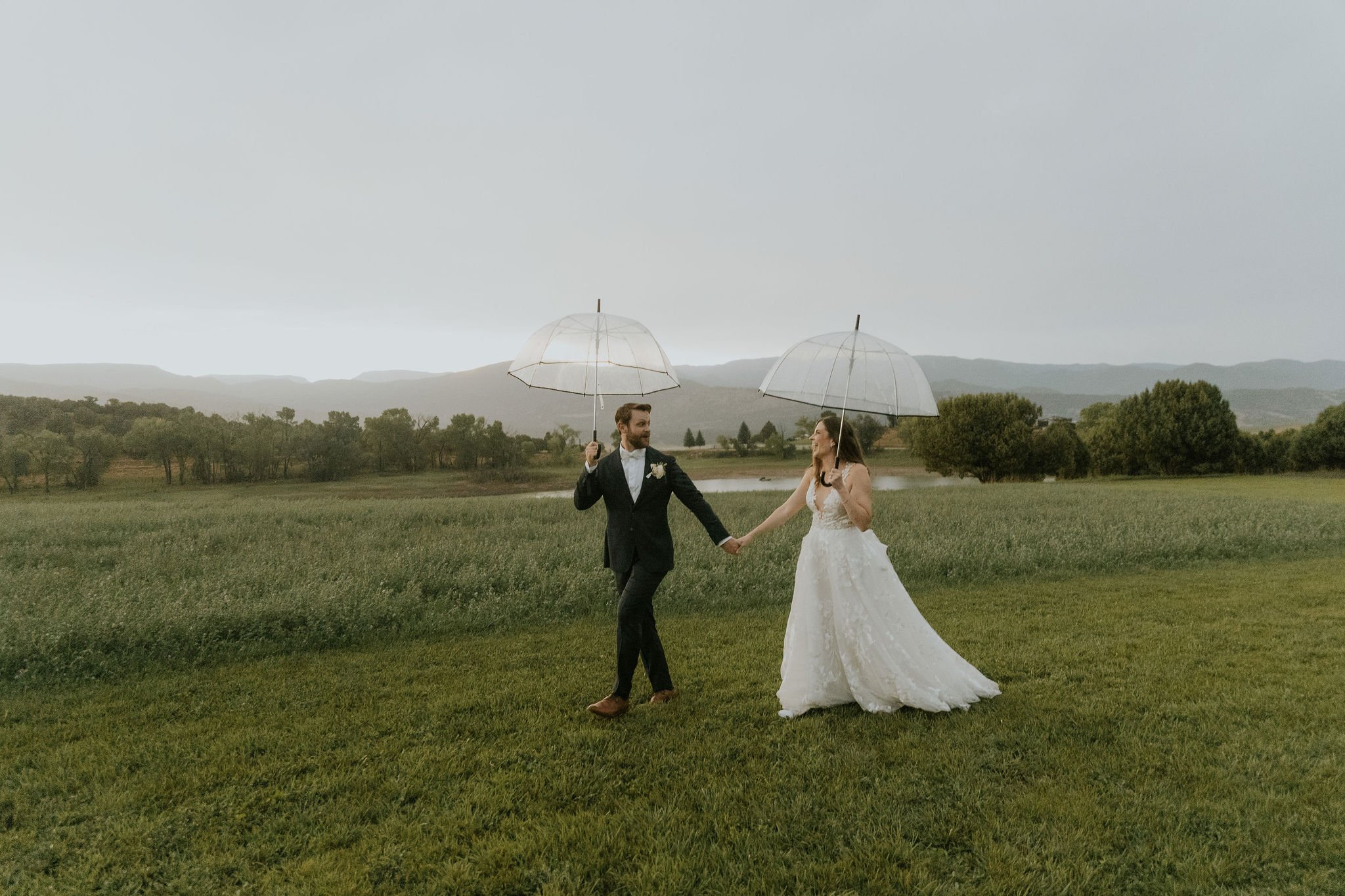
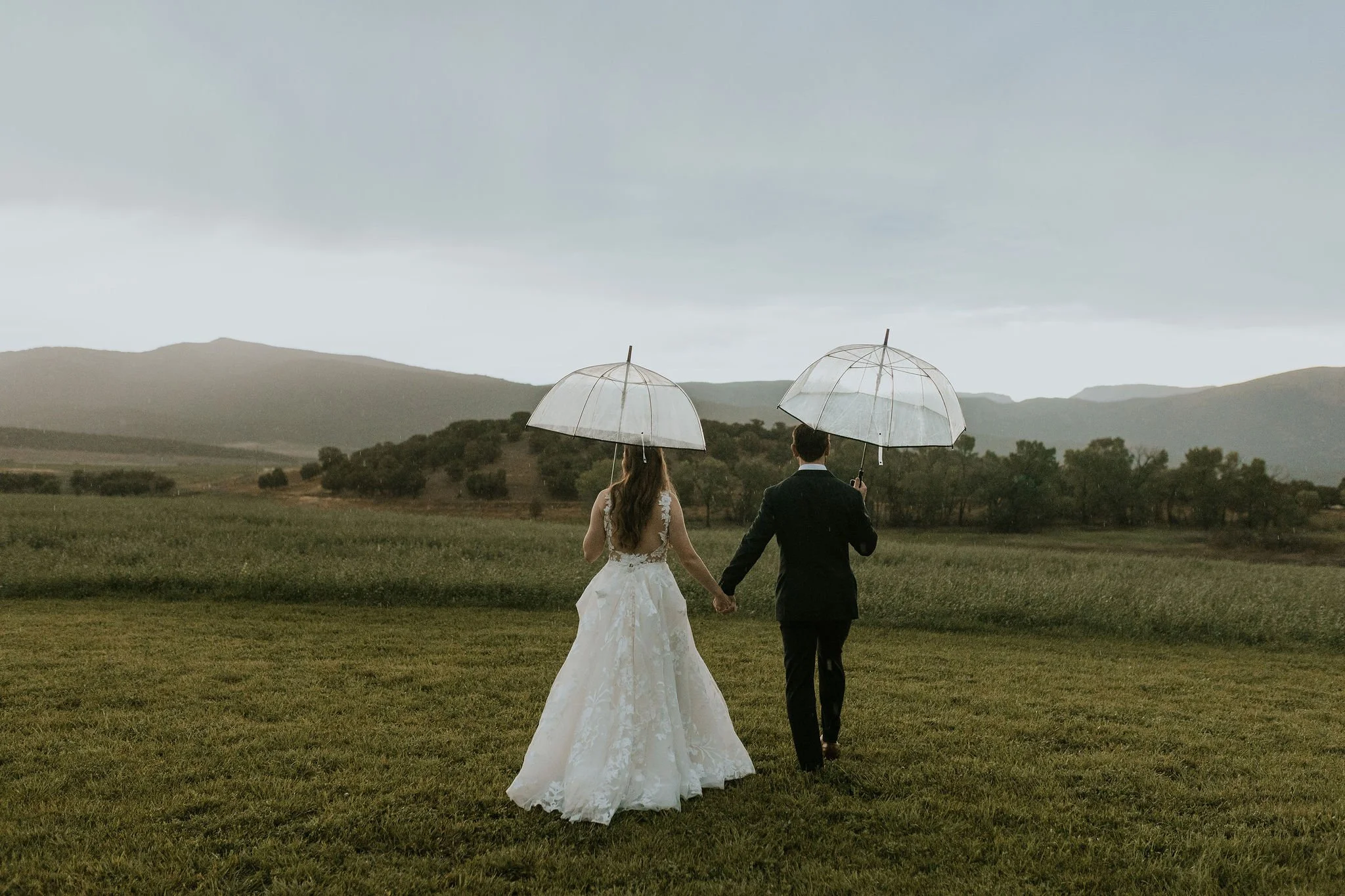
Umbrellas or clear ponchos if rain is possible
Blanket or pashmina basket for chilly evenings
Water available before ceremony
Heel protectors if the ceremony is on grass
Sunscreen and a few handheld fans if sun and heat are possible
Small touches feel like luxury when weather shifts.
How a Month-of Coordinator Helps With Inclement Weather (and why it matters)
A strong month-of coordinator is one of the biggest reasons couples stay calm during unpredictable weather. They help by:
confirming vendor timing and logistics
building timelines that work for both plans
coordinating a rehearsal so everyone knows the flow
keeping communication clear on wedding day
making the Plan B pivot smooth, not chaotic
At Vista View Events, this is a big reason we require month-of coordination. Our couples work with Chelsea Cholas Wedding Planning, and her process includes vendor follow-up, timeline preparation, venue walkthrough and layout planning, and calm leadership on wedding day. That is exactly what weather days require.
FAQ: Colorado wedding rain plans and inclement weather
When should we decide to move our ceremony indoors?
Set a decision time that matches vendor setup needs. Your venue and coordinator will help you choose a time that is realistic. The key is deciding early enough that the plan can be executed smoothly.
Should we rent a tent for a Colorado mountain wedding?
Sometimes yes, especially for sun, light rain, and keeping an outdoor feel. Still, tents are not a cure-all for wind, hail, or lightning. If severe weather is possible, you still need an indoor option.
What is the biggest weather mistake couples make?
Not having a plan they actually like. If Plan B feels sad, you will resist it. Build a Plan B that feels intentional so you can choose it confidently.
How do we communicate weather plans to guests?
Use your wedding website, a text update the morning of, and signage at arrival. Keep it simple and hospitable: what to wear, where to go, what to expect.
What weather should Colorado couples plan for besides rain?
Wind and temperature swings are the big ones. Sun intensity at elevation is also common. If you plan for wind and temperature, rain becomes much less stressful.
In the end, your goal is not perfect weather
Your goal is a wedding day that feels joyful, grounded, and cared for.
When you build a clear weather plan, you stop reacting and start leading. And that is when you get to enjoy your day, even if Colorado does what Colorado does.